
PLEASE CLICK ON THE PICTURES TO READ DESCRIPTIONS

7 Reasons Why an Oil Tank Sweep is Essential Before Buying a Home
Purchasing a new home is an exciting journey, but it comes with its share of important checks and balances. Among the crucial inspections is the often overlooked but vital oil tank sweep. Ensuring that an oil tank sweep is part of your home-buying checklist could save you from legal, financial, and environmental headaches in the future. Here's why it should not be ignored.

1. Uncover Hidden Liabilities
Abandoned underground oil tanks can pose financial liabilities if they leak or contaminate the soil. An oil tank sweep can help reveal these hidden dangers before you commit to a purchase. This proactive measure can save homebuyers from a host of potential pitfalls. The U.S. Environmental Protection Agency (EPA) estimates that cleanup costs from leaking underground storage tanks (USTs) can easily exceed $100,000. This staggering figure alone highlights the crucial role an oil tank sweep plays in safeguarding your financial interests.
Moreover, if a tank is discovered during a sweep, it doesn’t necessarily mean you should walk away from the property. Instead, this finding presents an opportunity for negotiation with the seller concerning the remediation costs. The tangible benefits of uncovering these hidden dangers are immense, as they also empower buyers with negotiation leverage, potentially leading to a more favorable deal. For further insights into why conducting a tank sweep is vital, check out the article Why every home sale should have a tank sweep performed.
2. Environmental Protection
Leaking oil tanks can lead to severe environmental damage. Conducting a sweep ensures that potential hazards are identified, allowing you to protect the surrounding ecosystem. The EPA reports that groundwater, an essential drinking water source for nearly half of Americans, is heavily threatened by leaking USTs. Preventing these leaks through early detection is key to preserving not just your property, but public health and natural resources.
Aside from the risks of immediate soil and water contamination, long-term ecological impacts may arise, affecting local flora and fauna. A compromised environment can also diminish property values, highlighting the sweep’s role in both ecological and financial stewardship. By taking this step, you are not only acting as a responsible property owner but also as a custodian of your broader environment. Learn more about environmental protection initiatives through the lens of property care by checking out our page 10 Reasons to Get an Oil Tank Sweep Before Buying a Property.
3. Avoid Costly Remediations
If an oil tank is found to be leaking after you buy the property, the costs for cleanup and remediation can be substantial. Discovering these issues beforehand can save you thousands. As shared by Curren Environmental, avoiding the financial burden of post-purchase remediation lets you allocate your resources more effectively, securing your investment without the threat of unexpected expenses.
The scale of remediation required can vary dramatically, but even minor leaks can lead to expenses ranging from $10,000 to over $100,000. There is also the risk of prolonged remediation efforts if contamination is extensive, delaying your plans for the property. By having a sweep conducted, you mitigate these risks upfront, ensuring that your entrance into homeownership isn't marred by unanticipated financial strain.
Property buyers should always exercise due diligence by incorporating an oil tank sweep in their inspection checklists. This purposeful step not only preempts avoidable costs but also aligns with sustainable property management practices. For practical advice, refer to Understanding the Importance of an Oil Tank Sweep for Homeowners to deepen your understanding of these processes.
4. Full Disclosure and Transparency
An oil tank sweep provides transparency about the home’s condition, ensuring you’re fully informed. This is essential for making a wise investment and negotiating repairs or price adjustments. Understanding the full scope of what lies beneath the surface allows potential homeowners to structure informed agreements with sellers, sidestepping future conflicts.
The sweep can unearth historical data about prior land use, which the seller might not always disclose upfront. This newfound knowledge arms you with a comprehensive perspective of both visible and invisible factors, vital in assessing a property’s true worth. By advocating for transparency, you're investing in a property free from ambiguities, which can drastically impact potential resale situations.
5. Boost Property Value
A property without the risks associated with an old, possibly leaking tank, is more attractive to future buyers. This can enhance property value should you decide to sell later. Buyers today are more conscious of environmental liabilities and often prioritize properties that assure long-term stability.
Furthermore, conducting a tank sweep now can streamline future sales by eliminating potential barriers that could delay or derail deals. This precautionary step ensures that your property is positioned optimally in the market, magnifying its appeal to eco-conscious and ethically-driven buyers. With a clean slate, the potential for appreciation is significantly improved, marking your property as a sound investment.
6. Peace of Mind
Knowing that your home is free from hidden oil tanks gives you peace of mind. You can enjoy your new home without the fear of unexpected environmental or legal issues. The oil tank sweep acts as a shield, protecting you from unpredictable and potentially devastating circumstances.
By taking preemptive action, you establish a stable foundation for your new residence, free of the specter of unforeseen cleanup efforts. This tranquility is invaluable, affording you the comfort to focus on what truly matters—creating lasting memories in your new home. To further comprehend how a sweep contributes to peace of mind, peruse Tank Sweep When Buying a Home, which illustrates the common pitfalls buyers face when bypassing this essential step.
7. Compliance with Regulations
In some areas, knowing the status of underground tanks is required for property transactions. An oil tank sweep can ensure compliance with local legislation, preventing legal complications. The ramifications of non-compliance can include fines and legal disputes, both of which can be avoided with a simple sweep.
Ensuring compliance endears you to local environmental agencies, projecting an image of responsible property management. By embedding this step, you not only meet existing legislative requirements but are also poised to face any regulatory changes proactively. For more information on ensuring compliance, you can also consider scheduling an inspection with a local expert like Oil Tank Sweep Premier.
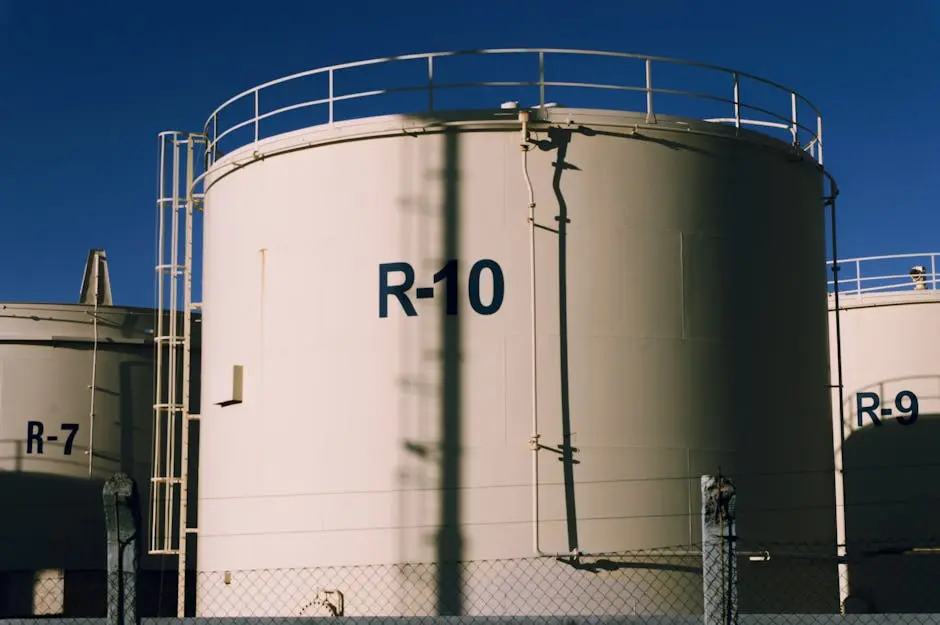
Why Oil Tank Insurance Matters for Peace of Mind
In today's world, ensuring peace of mind often comes down to preparation and protection. For homeowners and businesses relying on oil tanks, having the right insurance is crucial. Oil tank insurance provides a safety net against unforeseen issues, safeguarding both your property and finances.
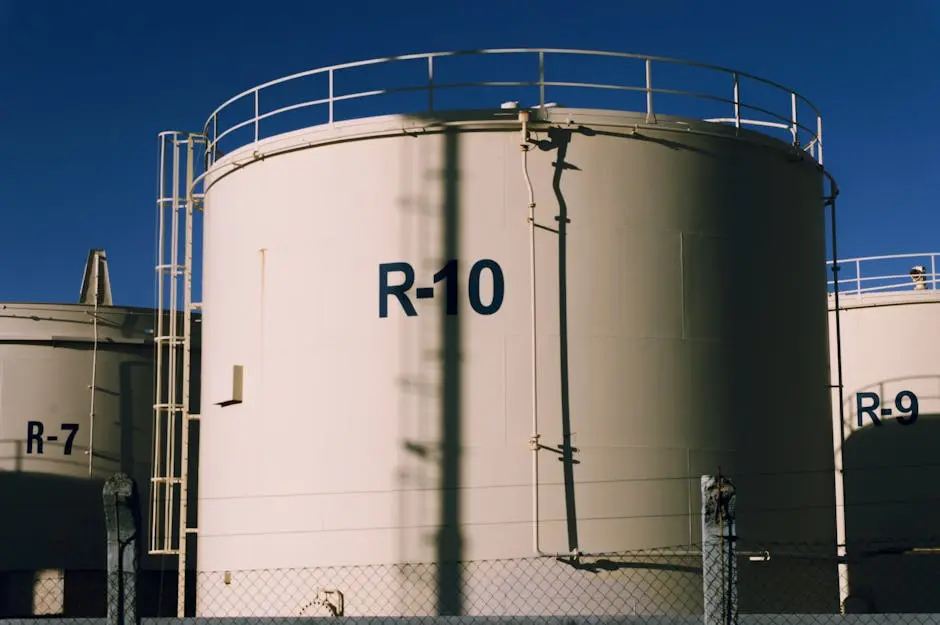
Understanding Oil Tank Risks
Oil tanks, while essential for many homes and businesses, come with inherent risks such as leaks, environmental damage, and costly cleanups. Comprehending these risks is the first step in recognizing the importance of insurance coverage.
Hidden hazards associated with oil tanks can escalate quickly if not managed properly. Leaks can seep into the ground, causing extensive damage to both the environment and surrounding property. This contamination risk underscores the need for thorough understanding and preemptive measures. According to the U.S. EPA, leaking underground storage tanks pose a significant threat to groundwater, which is a vital resource for many communities. Unfortunately, many homeowners only become aware of these dangers after a problem has already arisen, emphasizing the critical role of insurance as a protective shield.
Even the most vigilant property owner might overlook the subtle signs of a compromised oil tank. Corrosion, age, and unseen structural weaknesses often culminate in unexpected failures. Addressing these risks proactively through insurance ensures you are prepared should the worst occur, turning unexpected challenges into manageable tasks. Furthermore, leaks might result in extensive legal and environmental obligations, rendering oil tank insurance an indispensable tool for responsible property stewardship.
The Financial Implications of Oil Tank Issues
Repairing or replacing an oil tank can be financially devastating. Insurance mitigates these costs, helping to cover expenses that would otherwise fall entirely on the property owner.
Unplanned expenses stemming from oil tank-related issues can disrupt financial stability. The costs can escalate quickly, encompassing not only direct repair or replacement fees but also environmental cleanup costs, possible litigation, and even fines for regulatory non-compliance. For instance, in New Jersey, the lack of specific oil tank insurance can leave homeowners exposed to substantial economic burdens due to pollution cleanup obligations. Thus, the financial safety net that insurance provides acts as a buffer against unpredictable and potentially ruinous financial demands.
Moreover, oil tank-related issues can devalue property significantly. Sellers might find it challenging to attract buyers if potential oil tank problems are not addressed, and buyers often leverage these issues to negotiate lower purchase prices. The implications extend beyond immediate repair costs—property devaluation can pose long-term financial consequences. Recognizing these financial impacts from the outset can prevent substantial losses by ensuring thorough risk coverage through comprehensive insurance policies, thereby maintaining the property’s market value and appeal.
What Does Oil Tank Insurance Cover?
Oil tank insurance policies vary, but typically cover accidental leaks, spills, and damage restoration. Understanding the specific coverage options available can help ensure you select the right policy for your needs.
Policies often encompass a wide range of protections, offering coverage for both environmental cleanup and repair or replacement of the tank itself. This comprehensive approach ensures that unforeseen incidents do not spiral into crises, laying the foundation for prompt remediation measures. For instance, many protection plans provide cleanup services and site restoration, aligning costs directly with incidents to mitigate potential future liabilities. Understanding these nuances enables property owners to tailor their insurance policies to address specific vulnerabilities and operational needs comprehensively.
Benefits of Having Oil Tank Insurance
Beyond financial protection, oil tank insurance offers reassurance. Knowing that you are covered allows you to address issues promptly without the fear of unbearable costs, thus maintaining your property’s value and integrity.
The anxiety associated with managing potential tank failures diminishes considerably with robust insurance coverage. It serves as a safety net, providing financial backing to tackle untimely occurrences without draining personal savings or emergency funds. Furthermore, this insurance offers flexible solutions, covering various scenarios from minor leaks to significant structural repairs, granting peace of mind in an otherwise unpredictable domain. The assurance that insurance brings goes beyond financial gain; it fosters a proactive attitude towards maintenance and environmental stewardship, encouraging homeowners to take immediate action without hesitations borne from cost concerns.
Choosing the Right Oil Tank Insurance Policy
Selecting the appropriate policy involves evaluating your specific risks, coverage needs, and budget. Consulting with insurance providers can offer insights into the best options to protect your property.
A personalized approach is critical in choosing the right policy. One must weigh the potential risks against known factors such as tank age, location, and historical environmental data. Engaging with experts, such as those at Oil Tank Sweep Premier, can help you navigate these complexities, ensuring well-rounded coverage. Comprehensive policies might also include additional benefits such as scheduled maintenance checks, which can be invaluable in preempting issues before they occur. Through thorough evaluation and comparison, homeowners can discover tailored insurance solutions that provide seamless protection, strengthening resilience against unexpected oil tank hazards.
Investing in Security and Peace of Mind
Securing oil tank insurance is more than just a financial decision; it is an investment in peace of mind. By understanding the risks, costs, and benefits associated with oil tank ownership, individuals can make informed choices to protect their homes and businesses, ensuring security and stability for the future.

How Does GPR Concrete Scanning Work?
GPR concrete scanning may sound complicated, but it's a fascinating process that tells us what lies beneath the concrete surface without drilling or digging up. This blog will unfold the mystery of GPR concrete scanning in simple, engaging terms.

What is GPR Concrete Scanning?
GPR concrete scanning is a sophisticated technology used in the construction, engineering, and maintenance industries to examine the hidden world inside concrete structures. This technique utilizes ground penetrating radar (GPR) to identify, locate, and map out the position of various objects such as rebars, conduits, post-tension cables, and even voids within the concrete.
The principle behind GPR involves emitting radio waves into the concrete and capturing the echo that bounces back from any embedded objects. The strength and time it takes for the echo to return help in determining the depth and size of the object. This non-destructive method allows for detailed analysis without causing any harm to the existing structure.
The Science Behind GPR Scanning
At its core, GPR technology harnesses the power of electromagnetic radiation in the microwave band of the radio spectrum. When these radio waves encounter different materials or objects, they reflect back at various speeds and strengths, creating a profile or image of what lies beneath the surface.
The science is underpinned by Maxwell’s equations, which describe how electromagnetic waves propagate through different media. The ability of GPR to differentiate between types of materials relies on the fact that every material has a unique dielectric constant, influencing how it reflects or absorbs these waves.
How GPR Differs From Other Scanning Methods
Unlike X-ray imaging, which requires direct access to both sides of a concrete structure and exposes operators to harmful radiation, GPR scanning is a safer and more flexible alternative that only needs access to one side of the slab. Moreover, GPR can be conducted in live environments without evacuating the surrounding area, making it a preferred choice for busy construction sites.
Additionally, while methods like ultrasonic testing and radiography offer insights into the internal composition of concrete structures, GPR stands out due to its ability to conduct quick scans over large areas, providing real-time data that can be immediately analyzed.
The Step-by-Step Process of GPR Scanning
The process of GPR scanning begins with setting up the GPR equipment, which typically involves a mobile unit equipped with a transmitting and receiving antenna. As the equipment is manually pushed over the concrete surface, it emits electromagnetic waves into the slab.
These waves penetrate the concrete until they hit an object or material boundary, at which point the waves are reflected back to the surface and captured by the receiving antenna. Sophisticated software then interprets these signals to map out the subsurface features, identifying potential hazards or areas of interest.
Applications of GPR in Concrete Scanning
GPR concrete scanning has a wide array of applications including, but not limited to, locating rebar and tension cables prior to drilling or cutting, identifying and mapping the position of electrical conduits to avoid accidental breaches, and detecting voids within the concrete that could affect structural integrity.
Its versatility also extends to evaluating bridge decks for deterioration, inspecting buildings for structural defects, and assisting in the safe planning of renovations or extensions to existing structures.
Benefits of Using GPR for Concrete Assessment
One of the key benefits of using GPR for concrete evaluation is its non-destructive nature, enabling thorough assessment without compromising the structure. Additionally, this method substantially reduces the risk of injury to workers by locating hidden dangers such as live electrical conduits.
Moreover, GPR scanning saves time and money by preventing potential structural damage that could result from drilling into critical reinforcements, thereby avoiding costly repairs and project delays.
Understanding the Limitations of GPR Concrete Scanning
While GPR concrete scanning is immensely beneficial, it's important to recognize its limitations. The effectiveness of GPR can be influenced by the material's properties; for instance, very dense or highly conductive materials can diminish the depth of wave penetration, limiting the detection of objects within thick slabs.
Additionally, the accuracy of GPR data can vary based on the skill and experience of the operator, underscoring the need for expert analysis to correctly interpret the results.
Choosing the Right GPR Concrete Scanning Expert
Selecting a qualified GPR concrete scanning expert involves looking for a provider with extensive experience, not just in GPR technology, but also in understanding the complex interactions between electromagnetic waves and various construction materials.
The right expert will have a track record of successful projects and should be able to provide detailed case studies or references. Furthermore, they should offer a comprehensive service that includes not only the scanning process but also data analysis and clear reporting to guide subsequent construction work.
Wrapping Up the World Beneath
Understanding GPR concrete scanning can change the way we approach construction and renovation projects. By leveraging this non-intrusive method, we can ensure the safety, integrity, and efficiency of our work. Remember, the next time you see a construction team scanning the ground, they're probably using GPR to peek into the hidden world beneath the concrete.

10 Reasons to Get an Oil Tank Sweep Before Buying a Property
When it comes to buying a property, there's a checklist that seems to grow by the second. From location scouting to home inspections, it’s a journey filled with excitement and, admittedly, a bit of trepidation. Among the essentials not to be overlooked is an oil tank sweep. This might sound like just another item on your to-do list, but understanding the importance of this step can save you from future headaches. Here, we'll dive into the top reasons why getting an oil tank sweep should be a non-negotiable part of your property purchasing process.

1. Unearthing Potential Environmental Hazards
One significant reason for an oil tank sweep is to unearth any potential environmental hazards. With approximately 542,000 underground storage tanks nationwide storing petroleum or hazardous substances, the risk of contamination to groundwater is a serious concern. The US EPA reports that leaks from such tanks can contaminate groundwater, which is the source of drinking water for nearly half of all Americans. Identifying and mitigating these risks early can save immense trouble and ensure your property's safety and compliance.
2. Avoiding Costly Cleanup and Remediation
The aftermath of finding an underground oil tank on your property can lead to exorbitant cleanup and remediation costs, easily running into tens of thousands of dollars. Learning from Oil Tank Sweep Premier's takes on the matter, the importance of catching such potential financial pitfalls before they balloon into unmanageable sums cannot be overstated. An oil tank sweep acts as a preventative measure, giving property buyers a clear heads-up and the opportunity to address these issues before committing to a purchase.
3. Ensuring Compliance with Local Regulations
Navigating the intricate web of local regulations regarding underground oil tanks can be a daunting task. These regulations often mandate strict guidelines for the inspection, maintenance, and removal of oil tanks to prevent environmental contamination. An oil tank sweep empowers buyers with the knowledge needed to ensure compliance and avoid legal implications. According to the US EPA, understanding these regulations is key in protecting the environment and human health from potential oil tank leaks.
4. Identifying Hidden Costs Before Purchase
Discovering an oil tank on your new property can introduce unexpected financial burdens. Hidden costs can include not only the immediate removal and cleanup but also potential soil testing and prolonged remediation efforts. As Oil Tank Sweep Premier outlines, the risks of foregoing a tank scan can leave new homeowners with hefty bills for issues they were unaware of. Therefore, an oil tank sweep is essential in identifying such hidden costs, enabling more informed financial planning.
5. Protecting the Value of Your Property
The presence of an undetected oil tank can significantly affect your property's value, often leaving property owners on the hook for environmental cleanup before a sale. As per insights from Oil Tank sWeep Premier , addressing these issues before putting a property on the market can mitigate potential declines in property value. An oil tank sweep can protect your investment by ensuring that such issues are identified and resolved promptly.
6. Gaining Leveraging Power in Negotiations
Armed with the knowledge of an existing underground oil tank, buyers can significantly leverage negotiations. This information can be used to negotiate price reductions or request the seller to remediate any issues before closing. As detailed by Oil Tank Sweep Premier, understanding the scope of potential issues with oil tanks provides buyers a better footing in property transactions, potentially saving thousands of dollars.
7. Ensuring Your Safety and Peace of Mind
Beyond the financial implications, the safety concerns surrounding undisclosed oil tanks are paramount. Leaking tanks pose significant health risks through the contamination of groundwater and soil. EPA's resources to prevent and mitigate such hazards underscore the importance of conducting these sweeps for the safety of homeowners and the broader community. An oil tank sweep gives assurance that the property is free from such potentially hazardous environmental liabilities.
8. Safeguarding Against Future Legal Issues
The repercussions of neglected oil tanks can extend beyond immediate financial and health risks, potentially entangling property owners in protracted legal battles. This could stem from disputes over property damage, environmental contamination, and non-compliance with local regulations. The US EPA highlights the legal imperatives of managing oil tanks responsibly. A comprehensive oil tank sweep can safeguard against such future legal issues by ensuring all potential oil tank concerns are addressed.
9. Facilitating Faster Approval from Financial Institutions
Financial institutions often require a thorough assessment of a property's environmental risks before approving loans. The presence of an underground oil tank can be a red flag that prompts additional scrutiny or even loan denial. Oil Tank Sweep Premier notes the importance of tank sweeps in expediting these processes. By addressing these issues beforehand, a tank sweep can facilitate smoother and quicker financial transactions.
10. Contributing to Environmental Preservation
Conducting an oil tank sweep is not only a prudent financial and health measure but also a significant contribution to environmental preservation. The process aids in preventing potential leaks and environmental damage, aligning with broader efforts to safeguard our natural resources. The collaborative work between the US EPA, states, and industry to mitigate the risks associated with underground storage tanks exemplifies the collective responsibility toward environmental care, starting with individual property assessments.

Can GPR Scanning Detect All Types of Underground Objects?
GPR scanning, or Ground Penetrating Radar, is a fascinating technology used in various fields for detecting objects beneath the surface. But does it work for everything underground? Let's dive into the capabilities and limitations of GPR scanning in an understandable and engaging way.

What is GPR Scanning?
Before diving into what GPR scanning can and cannot find, let's clarify what this technology is and how it works. A simple overview positions us to better understand its applications and limitations.
Ground Penetrating Radar (GPR) uses radio waves to probe beneath the surface, offering images or 'slices' of what lies beneath without digging. It’s like the earth's version of an ultrasound, revealing hidden objects with clarity and precision.
At its core, GPR scanning is a non-invasive way to explore the underground. Whether it’s for archaeological research, construction, or even locating utilities, the applications are as broad as they are impressive.
The Science Behind GPR Scanning
GPR scanning isn't magic; it's grounded in science. A quick look into the electromagnetic waves and how they interact with different materials gives us insight into the technology's capabilities.
When the radar signal hits an object, it reflects back, and this reflection is captured to form an image. Different materials return unique signals, providing clues about what lies beneath. However, the strength of the return signal can vary based on the material’s properties, such as conductivity, permittivity, and moisture content.
Understanding the science is key to interpreting GPR data accurately. It's not just about seeing below the surface but deciphering the story the signals tell about the underground landscape.
Common Types of Objects Detected By GPR
GPR scanning is incredibly versatile but shines brightest in certain scenarios. Discover what kinds of objects and materials are typically visible to GPR systems.
From buried pipes and cables to ancient ruins, GPR is adept at finding a range of objects. It’s particularly effective for detecting changes in material, which helps in identifying voids, cracks, or different layers in the ground.
However, it’s important to note that GPR's ability to detect an object heavily relies on the object’s material composition and the surrounding soil’s condition.
Limitations of GPR Scanning
No technology is without its flaws. Here we'll explore the types of materials and conditions that challenge GPR scanning's effectiveness, helping to set realistic expectations.
One of GPR's limitations is its difficulty in penetrating very conductive materials, such as clay-rich soils or wet conditions. These environments can absorb or scatter the radar waves, reducing the depth of penetration and clarity of the image.
Metallic objects can also pose a challenge. While they are easily detected, they can create 'noise' in the data, masking nearby objects and complicating the analysis.
Certainly, the effectiveness of GPR scanning diminishes as the depth increases. Beyond a certain point, typically a few meters, the radar waves become too weak to return useful data.
Factors Influencing GPR Detection
Several variables affect whether GPR scanning can successfully detect an object. Understanding these factors can clarify when and how to best use this technology.
Soil composition plays a major role; sandy or rocky soils are ideal for GPR, whereas wet, clay-heavy soil can hinder its performance. Similarly, the size, shape, and material of the object impact detectability.
Ambient conditions such as moisture levels and the presence of other materials can also influence the results. Plus, the sophistication of the GPR equipment and the operator’s expertise contribute to the effectiveness of a scan.
Innovations and Improvements in GPR Technology
The future of GPR scanning is bright, with ongoing advancements broadening its application. A look into what's on the horizon for GPR technology and its potential to overcome current limitations.
Developments in software algorithms are improving the clarity and depth of GPR imaging, making it possible to distinguish between different underground features more accurately. Furthermore, advances in hardware, such as higher frequency antennas, are expanding the range of detectable objects.
There’s also a growing emphasis on integrating GPR data with other technologies, like GPS and 3D modeling, to enhance interpretation and provide more detailed insights into what lies beneath.
Real-World Applications of GPR Scanning
Seeing GPR scanning in action helps illustrate its utility and adaptability. From archaeology to utility mapping, explore how GPR is used in different fields.
In archaeology, GPR scanning can map ancient structures and burial sites without disturbing them, providing a window into the past. In construction, it helps in identifying the locations of pipes and cables, avoiding costly accidents.
Environmental studies also benefit from GPR, using it to track water tables or detect contamination plumes. The versatility of GPR scanning shows its wide-reaching impact across industries.
Unveiling the Truth About GPR Scanning's Capabilities
Understanding the capabilities and limitations of GPR scanning helps set realistic expectations for its applications. While it may not detect every type of underground object, its ability to identify and map different materials makes it an invaluable tool in many fields. The key is knowing when and how to use it effectively.

Why Every Home Buyer Should Consider an Oil Storage Tank Sweep
Buying a home is one of the biggest investments you'll ever make. It's not just about finding the right location or the perfect layout; it's also about ensuring the safety and integrity of your potential new home. One aspect that is often overlooked is the presence of an underground oil storage tank. Let's dive into why conducting an oil storage tank sweep is a crucial step for every home buyer.

The Hidden Dangers of Underground Oil Storage Tanks
The fear of the unknown lurks in many aspects of life, but it becomes tangible when you're considering buying a home. The hidden dangers of underground storage tanks (USTs) are among these unseen threats, storing petroleum or hazardous substances beneath the ground. The U.S. Environmental Protection Agency (EPA) highlights the greatest threat from a leaking UST as contamination of groundwater, our primary source of drinking water. With nearly half of all Americans relying on groundwater, the risk is too significant to ignore.
Buying a house with an undisclosed oil tank can lead to a series of unforeseen environmental and financial burdens. These tanks, popular from the 1930s through the mid-1980s, may now be corroded or leaking, presenting hazards not immediately apparent. The critical issue here is not just the tank's presence but its condition. Over time, leaking tanks can cause extensive soil and water contamination, making remediation a costly and lengthy process.
Understanding Oil Storage Tank Sweeps
An oil storage tank sweep is the homeowner's safeguard against the unseen. Using specialized equipment, technicians conduct a thorough search of the property to detect the presence or absence of USTs. This step is vital not only for peace of mind but also for financial and environmental security. The process involves ground-penetrating radar (GPR) and sometimes metal detectors to ensure that no stone is left unturned—or, more aptly, no tank left undetected beneath the soil.
Understanding the importance of a tank sweep is crucial when entering the home buying process. It's a procedural step that can save you from inheriting a property with costly, hidden liabilities. Given the potential for oil tanks to leak and the environmental damage this causes, the cost of a sweep is a small price to pay for the assurance it provides.
The Environmental and Financial Impact
The impact of a leaking oil tank extends far beyond the boundaries of the property it lies beneath. Groundwater contamination threatens the community's health and can lead to significant financial loss for the homeowner. Cleanup and remediation costs can quickly spiral into tens or even hundreds of thousands of dollars, not to mention the potential decrease in property value.
What to Expect During a Sweep
During a sweep, trained professionals utilize advanced technology to scan the ground for evidence of USTs. The use of both Ground Penetrating Radar (GPR) and metal detectors is common, ensuring a comprehensive search. While GPR provides a visual representation of what lies beneath, metal detectors can confirm the presence of metallic objects, such as decommissioned or forgotten oil tanks.
Dealing with a Detected Oil Tank
Finding a tank during a sweep doesn't mean you should immediately walk away from a property. The discovery opens a pathway to negotiation and remediation. Professional services, well-versed in tank removal and environmental remediation, can assess the tank's condition, potential risks, and the steps needed to resolve the issue effectively. This can ensure the property is safe and compliant with environmental standards prior to purchase.
Preventing Future Issues
Ultimately, preventing future issues begins with the tank sweep itself, setting the stage for a transparent transaction and a secure property investment. In regions particularly susceptible to the presence of USTs, such as the Northeast, understanding the history and risks associated with oil heat is crucial. By conducting due diligence today, homeowners can avoid unforeseen challenges tomorrow.
Safeguarding Your Investment and Future
As you embark on the journey of home ownership, considering an oil storage tank sweep is more than just a precaution—it's a wise decision for the safety, finances, and peace of mind of you and your loved ones. The complexity of dealing with an undisclosed oil tank makes the simple step of conducting a sweep an essential part of your home buying process. Remember, the best home is not only the one that meets your dreams but also ensures your safety and financial well-being.

10 Reasons Why a GPR Tank Sweep is Essential for Property Buyers
Buying a property is an exhilarating journey, fraught with hopes, dreams, and understandably, a fair bit of anxiety. Among the crucial steps to ensure your new abode is a haven and not a headache is conducting a GPR (Ground Penetrating Radar) tank sweep. If the term 'GPR tank sweep' sounds like technical jargon to you, worry not. In layman's terms, it’s akin to giving the land your future home sits on a health check-up. Below, we dive into ten compelling reasons why opting for this check-up could be one of the best decisions you make in your property-buying process.

1. Uncovering the Unseen: The Science Behind GPR
Diving into the world of GPR (Ground Penetrating Radar) technology, it's fascinating to see how it works almost like X-ray vision for the earth. By sending electromagnetic waves into the ground, GPR can visualize what’s hidden underneath without any digging or disruption. This marvel of modern technology is what allows a GPR tank sweep to be so effective and non-intrusive, giving property buyers a clear picture of potential issues lurking below the surface.
Why does this matter to you as a prospecting homeowner? Imagine being able to peer into the ground beneath your future home, identifying any forgotten or unknown tanks that could potentially contaminate the soil or groundwater. This advanced notice gives you the upper hand in dealing with these issues before they can affect you and your loved ones.
2. Hidden Hazards: Why Old Tanks are a Buyer's Nightmare
Unearthing an old tank isn't just about dealing with a rusty hunk of metal; it's about the potential nightmare of soil contamination or legal liability. Over time, tanks can corrode and leak, silently seeping hazardous substances into the earth. For potential homeowners, this isn't just a blip on their radar; it's a red flag for environmental and financial distress. Conducting a GPR tank sweep mitigates these unseen threats, ensuring that your dream home won't become a liability.
3. Financial Pitfalls: The Cost of Undiscovered Tanks
The implications of rolling the dice and skipping a GPR tank sweep can be a financial gamble. Discovering an old, underground tank after purchase doesn't just mean removal costs; it can also lead to hefty cleanup bills if any contamination has occurred. The price tag for remediation can skyrocket into tens of thousands, making the relatively modest investment in a GPR sweep seem like pocket change in comparison.
4. Environmental Responsibility: Protecting Your Future Home's Ecosystem
Stepping into the role of a property owner also means assuming a stewardship for the land. A GPR tank sweep isn't just about practical due diligence; it's a commitment to environmental responsibility. Identifying and removing potential sources of contamination before they wreak havoc on local ecosystems is a step toward preserving the natural beauty and health of your property and the wider community.
5. Insurance Insights: How a GPR Tank Sweep Affects Your Rates
Insurance companies are all about assessing and mitigating risk, and the presence of underground tanks is a significant red flag. Conducting a GPR tank sweep and dealing with any discovered tanks not only eliminates a potential hazard but also reassures your insurer. This proactive approach can positively impact your property insurance rates, as insurers favor properties that pose the least risk of costly claims.
6. Regulatory Compliance: Navigating Local Laws and Regulations
Beyond the immediate benefits, a GPR tank sweep ensures compliance with local environmental laws and regulations. Different areas have varying requirements for dealing with underground tanks, especially if they're found to be leaking. Being proactive not only keeps you in good standing legally but also saves you from potential fines or legal action, making the sweep an essential step in the property buying process.
7. Prevention Is Better Than Cure: Avoiding Future Disaster
The age-old adage of 'prevention is better than cure' holds true when it comes to GPR tank sweeps. By identifying and addressing potential issues before they escalate, property buyers can save themselves a considerable amount of stress, money, and time down the line. It’s an investment in the property's future and in your peace of mind, solidifying the foundation of a safe and secure home.
8. Negotiation Leverage: Empowering Your Purchase Decision
Knowledge is power, especially in real estate transactions. A GPR tank sweep gives property buyers critical information that can be used as leverage in negotiations. Discoveries from the sweep can either grant peace of mind regarding the property's condition or provide a bargaining chip to negotiate a better price. Either way, it empowers you, the buyer, in a way few other pre-purchase inspections can.
9. Peace of Mind: The Invaluable Benefit of Knowing
Perhaps the most significant benefit of a GPR tank sweep is the intangible peace of mind it offers. Knowing exactly what you're getting into when purchasing a property alleviates the anxiety and uncertainty that often accompanies such a major investment. This assurance is invaluable, making the sweep not just a wise financial decision, but a crucial step towards securing a worry-free future in your new home.
10. Long-Term Savings: A Minor Expense Now, Major Savings Later
While the upfront cost of a GPR tank sweep might seem like an unnecessary addition to the already extensive list of property-buying expenses, its long-term savings cannot be overstated. Uncovering and resolving issues now can prevent exorbitant costs and headaches in the future, proving that a small investment in today can lead to major savings down the road. It's a cost-effective move that secures not only the financial health of your property but also its environmental and structural integrity for years to come.

8 Benefits of Using GPR Scans to Detect Underground Tanks
Exploring the underground world is not just for adventurers. Homeowners and property managers are increasingly turning to Ground Penetrating Radar (GPR) scans to unearth hidden secrets beneath their feet, namely, underground tanks. Whether it's to comply with regulations, enhance safety, or simply to make informed decisions about property use and development, GPR scans offer a non-invasive, effective solution. This blog dives into the benefits of using GPR scans, especially in the context of detecting underground tanks, and measures how it impacts factors like oil tank insurance.

1. Non-Invasive Detection
The beauty of GPR technology lies in its gentle approach. Unlike traditional excavation methods, which can be time-consuming and costly, not to mention the risk of damaging what you're trying to find or worse, GPR scans allow for a non-invasive look into the earth's subsurface. This method is critical for avoiding unnecessary disruption to the property and minimizing the risk of damaging utility lines or other systems that may be hiding alongside potential underground tanks.
2. Accuracy and Precision
If you're wondering about the effectiveness of GPR, let's talk accuracy. Ground Penetrating Radar provides detailed images and data about the underground environment, enabling professionals to pinpoint the exact location and size of buried tanks with precision. This level of accuracy is not only impressive but also extremely valuable in planning any excavation or construction projects, ensuring that decision-makers have all the information they need to proceed safely and efficiently.
3. Safety Enhancements
GPR scans significantly contribute to on-site safety by identifying potentially hazardous materials or conditions before any ground is broken. Knowing the location of underground tanks can prevent accidents and exposure to harmful substances, greatly reducing the risk of injury to workers and the public. This proactive approach to safety can also have a positive impact on oil tank insurance rates, as it demonstrates diligence and risk management.
4. Environmental Protection
Environmental stewardship is a responsibility we all share, and employing GPR scans reflects a commitment to protecting the earth. By detecting and properly managing underground tanks, property owners can prevent leaks of hazardous substances into the soil and groundwater. This not only protects the environment but also aligns with regulatory standards aimed at preserving our planet for future generations.
5. Regulatory Compliance
Adhering to laws and regulations is a key consideration for many projects, and GPR scans can play a pivotal role in ensuring compliance. Regulations governing the management and removal of underground storage tanks are strict, with good reason. Using GPR technology to locate these tanks enables property owners to take the necessary steps to comply with environmental protection laws, avoiding potential fines and legal complications.
6. Financial Savings
While the initial investment in GPR scanning may seem like an added expense, the financial benefits in the long run are undeniable. By accurately locating underground tanks, property owners can avoid the high costs associated with unexpected encounters during excavation, such as project delays, damage repair, and additional legal fees. Additionally, the potential to lower oil tank insurance premiums through risk mitigation makes GPR scans a financially sound decision.
7. Time Efficiency
In the fast-paced world of property development, time is often of the essence, and GPR scanning is a boon for time efficiency. By providing quick, accurate insights into what lies beneath the surface, GPR technology helps to streamline project planning and execution. This efficiency can significantly reduce project timelines, enabling faster progress from concept to completion.
8. Risk Mitigation for Property Development
The final, perhaps most compelling benefit of using GPR scans in detecting underground tanks is the capacity for comprehensive risk mitigation. For developments, the knowledge gained from GPR scans can guide architectural and infrastructural decisions, ensuring that buildings and landscapes are designed with an awareness of what lies beneath. This thoughtful approach to development not only preserves the integrity and value of the property but also safeguards future inhabitants and the environment alike.

8 Essential Questions to Ask During an Environmental Site Assessment
Navigating through an environmental site assessment can be daunting, especially if it’s your first time. Whether you're looking into purchasing a piece of property, embarking on a new construction project, or ensuring compliance with environmental laws, knowing the right questions to ask can save you time, money, and a whole lot of stress. In this post, we'll guide you through eight essential questions that will help you get a comprehensive understanding of your environmental site assessment, explained in simple and engaging terms.

1. What does the assessment cover?
Starting with the basics, it's essential to understand what an environmental site assessment encompasses. Essentially, it’s an investigation into the environmental conditions of a property. This includes analyzing soil, groundwater, and building materials for contaminants that might pose a risk to human health or the environment. Knowing the scope of the assessment helps set the right expectations and ensures no stone is left unturned in identifying potential environmental liabilities.
2. Who will be conducting the assessment?
Identifying who will conduct the environmental site assessment is just as crucial as understanding its scope. You'll want to ensure that the professionals involved have the necessary qualifications and experience to perform a comprehensive evaluation of the site. Look for teams that include environmental scientists, geologists, and engineers with specific expertise in assessing environmental risk. Their background and approach to the assessment can greatly influence the thoroughness and accuracy of the report you receive.
3. What previous uses of the site are known?
The history of the site can tell you a lot about potential environmental concerns. It's important to inquire about the known past uses of the property, as industrial, agricultural, or commercial activities could have left behind contaminants. This information can guide the assessment team in focusing their investigation on specific areas of the site or types of contaminants, leading to a more targeted and effective assessment.
4. How will samples be collected and analyzed?
The methodology used in collecting and analyzing samples is a cornerstone of the environmental site assessment. Ask about the techniques and tools the assessors plan to use, as well as the criteria they'll apply to evaluate the results. Understanding the sampling process can give you insights into how they determine the presence and concentration of any contaminants. This knowledge can be invaluable in assessing the reliability and accuracy of the findings, ensuring you have the information needed to make well-informed decisions.
5. Are there any potential contaminants of concern?
Every property is unique, and so are the potential environmental challenges it may pose. Discussing potential contaminants of concern upfront can help you grasp the specific risks associated with the site. Whether it's heavy metals, pesticides, or petroleum hydrocarbons, understanding what contaminants might be present can guide the assessment's focus and ensure a more precise evaluation of the property's environmental condition.
In addition to identifying potential contaminants, consider the implications of these substances on the property’s value and usability. Contaminants can not only pose health risks but also affect property development plans and regulatory compliance. Knowing what you might be dealing with helps in planning for cleanup activities or negotiating the property purchase terms.
6. What are the implications of the findings?
Once the assessment is complete and potential contaminants have been identified, the next step is to understand the implications of these findings. How do they affect your property's value, usability, or development potential? The assessment might reveal issues that require remediation or further investigation, which can impact project timelines and budgets. Discussing these implications early on with your environmental team will prepare you for any additional steps that may need to be taken.
7. How does the assessment influence future property use?
An environmental site assessment can have a significant impact on your plans for a property. Based on the findings, you might need to adjust your development plans, apply for certain permits, or perform remediation work to make the site suitable for your intended use. Understanding these implications early in the buying or development process can help you navigate potential roadblocks and plan more effectively for a successful project.
8. Are there any recommendations for remediation or further investigation?
Finally, it's important to discuss any recommendations for remediation or further investigation that arise from the environmental site assessment report. These recommendations are crucial in planning your next steps, whether that means proceeding with the property purchase, engaging in cleanup activities, or conducting a more detailed phase of the assessment. This knowledge not only helps in mitigating environmental risks but also in protecting your investment in the long run.

Signs Your Property Needs an Environmental Site Assessment
Understanding when your property requires an environmental site assessment (ESA) is crucial for maintaining its safety, value, and compliance with legal standards. Whether you're a property owner, buyer, or developer, recognizing these signs can save you from potential environmental liabilities. Let's dive into the tell-tale indicators that suggest it's time to consider an ESA.

1. Unusual Plant Discoloration
When you start noticing patches of discolored vegetation, it might be more than just a sign of the changing seasons. Unusual plant discoloration can be a telling sign of chemical contamination in the soil, affecting the natural growth and health of local flora. These disturbances in plant life are often overlooked as mere garden variety problems, but they can be surface indicators of a deeper, underlying soil or water contamination that merits an in-depth look through an environmental site assessment.
Moreover, according to research on plant-soil interactions, certain types of discoloration in foliage can indicate specific contaminants. For instance, a silver or blue tinge to leaves might suggest the presence of heavy metals like lead or arsenic, which are notorious contaminants that pose serious health risks. Identifying these signs early can help mitigate larger environmental and health issues down the line. For detailed guidance, one could explore topics on plant health diagnostics to understand the implications of plant discoloration.
2. Evidence of Underground Storage Tanks
Discovering or suspecting the presence of underground storage tanks (USTs) on your property is a significant red flag that warrants an environmental site assessment. USTs, especially older, unregulated ones, are prone to leaks and corrosion, leading to soil and groundwater contamination. The Environmental Protection Agency (EPA) provides guidelines on managing USTs and highlights the importance of professional assessments to detect and mitigate potential environmental hazards. Look for pipes sticking up from the ground, vent pipes, fill pipes or even sometimes the copper fuel lines. Doing an oil tank sweep is one way to find any buried USTs on a property.
3. History of Industrial Use
Properties with a history of industrial use carry with them a legacy of potential contamination, from heavy metals to hydrocarbons. Such sites are prime candidates for an environmental site assessment, as past industrial activities might have left behind toxins that could pose a risk to human health and the environment. Understanding the historical land use of your property and surrounding areas can offer critical insights into potential environmental concerns and necessary remediation efforts.
4. Nearby Contaminated Sites
Properties situated near known contaminated sites are at a higher risk of cross-contamination. Hazardous materials can migrate through soil and waterways, potentially impacting areas beyond the initial contamination site. This kind of environmental domino effect underscores the need for an environmental site assessment to identify any risks to your property and to implement measures to protect it.
5. Ongoing Health Symptoms
If occupants of a property are experiencing unexplained health symptoms, it could be a signal that environmental factors are at play. Symptoms such as headaches, dizziness, or respiratory issues might indicate poor indoor air quality or contamination. This situation calls for a thorough environmental investigation to identify and rectify the source of these health concerns. Estate owners should pay attention to the health of their environment to ensure the well-being of its inhabitants.
6. Presence of Hazardous Materials
The presence of hazards materials on a property can pose serious risks to human health and the environment. This includes chemicals, asbestos, lead-based paint, radioactive materials, and other toxic substances. Improper handling or disposal of these materials can result in contamination of soil, water, and air, leading to long-term negative impacts on the ecosystem and public health. Additionally, structural damage or fires caused by hazardous materials can result in significant property damage and financial loss. It is crucial for property owners to properly identify, manage, and remove any hazardous materials to ensure the safety of occupants and protect the surrounding environment.

Understanding the Power of Ground Penetrating Radar in Property Inspections
Dive beneath the surface without digging a single hole. Discover how ground penetrating radar (GPR) is revolutionizing property inspections, making the invisible visible, and ensuring that what lies beneath is no longer a mystery.

What is Ground Penetrating Radar?
Ground penetrating radar (GPR) might sound like something out of a sci-fi novel, but it's a technology grounded in very real, very practical science. At its core, GPR is a non-destructive method that uses radar pulses to image the subsurface. Whether you're dealing with solid concrete or layers of soil, GPR sends out high-frequency radio waves and analyzes the signals that bounce back. The reflections can then be used to detect and map subsurface structures.
What sets GPR apart from other inspection methods is its ability to provide real-time insights without the need for excavation. This means you can see what's below your feet—be it pipes, roots, or even buried debris—without turning a single shovel of earth.
How Ground Penetrating Radar Works
To understand how ground penetrating radar works, imagine sending a pulse of energy into the ground. This energy travels down until it hits something different in density, like a pipe or a rock. At this boundary, part of the energy is reflected back to the surface, where it is captured by the GPR system. The time it takes for this energy to return is used to calculate the depth of the object.
Different materials reflect radar waves differently. Water-saturated soils, for example, absorb more energy, making GPR ideal for dry conditions. The beauty of this technology lies in its adaptability, working across various environments to reveal hidden worlds beneath us.
Benefits of Using Ground Penetrating Radar in Inspections
The benefits of using ground penetrating radar in property inspections are vast. Firstly, it's non-invasive, meaning there's no need to disrupt the ground. This not only preserves the inspection site but also reduces costs and time involved in digging and restoration.
Moreover, GPR can save lives. Before any excavation work, understanding what lies beneath is crucial to avoiding accidents involving gas lines or electrical conduits. GPR offers that insight, ensuring safer work environments.
Additionally, GPR's precision plays a key role in planning and development, allowing inspectors to make informed decisions based on clear, reliable data on what's happening below the surface.
Ground Penetrating Radar Applications in Property Inspections
Ground penetrating radar serves multiple roles in property inspections, from locating buried utilities to identifying voids and cracks within structures. In the realm of historical preservation, GPR is invaluable for exploring archaeological sites without disturbing them.
In urban development, engineers use GPR to map subterranean infrastructure, planning new projects around existing pipelines and cables. And for home buyers, GPR inspections can reveal potential problems like faulty drainage systems, providing peace of mind before a purchase.
Limitations of Ground Penetrating Radar
While ground penetrating radar is a formidable tool, it's not without its limitations. The technology's effectiveness is influenced by ground conditions—wet soils, for instance, can absorb radar waves, diminishing GPR's capability to detect deeper targets.
Additionally, interpreting GPR data requires expertise. The radar images often need a skilled analyst to decipher, making the technology as much an art as it is a science. For the untrained eye, the results can be misleading, emphasizing the need for experienced professionals in GPR inspection teams.
Real-World Success Stories: Ground Penetrating Radar in Action
One of the most compelling aspects of GPR technology is its application across diverse fields. For example, in a recent property inspection, GPR was used to detect an unknown void beneath a new construction site, preventing potential structural failure.
Another success story involves the use of GPR to uncover a series of forgotten tunnels underneath an urban area. This not only provided a fascinating glimpse into historical infrastructure but also alerted city planners to potential hazards.
Getting Started with Ground Penetrating Radar for Your Inspections
Incorporating ground penetrating radar into your inspection protocol begins with understanding your needs and the scope of your project. The next step is to partner with a reputable company that specializes in GPR services, ensuring they have the expertise and technology to meet your requirements.
Educating yourself and your team about the capabilities and limitations of GPR will also enhance your ability to leverage this powerful tool effectively. As with any specialized equipment, ongoing training and experience play a critical role in maximizing the benefits of ground penetrating radar.
The Future Beneath Our Feet
From uncovering hidden utilities to assessing the integrity of infrastructure, the capabilities of ground penetrating radar have proven to be indispensable in the world of property inspections. GPR technology offers a glimpse beneath the surface, providing invaluable data while saving time and resources. As we continue to push the boundaries of what's possible in property assessment, ground penetrating radar stands out as a powerful tool that brings both peace of mind and a competitive edge.

The Role of GPR Tank Sweep in Environmental Safety
Navigating the hidden dangers beneath our feet, GPR tank sweep emerges as a hero in the quest for environmental safety. Unseen but not unfelt, outdated or abandoned underground storage tanks pose a silent threat. Dive into how this innovative technology is safeguarding our earth and our future, one sweep at a time.

Understanding GPR Tank Sweep Technology
Ground-penetrating radar (GPR) technology, a marvel in the field of environmental safety, provides a non-invasive means to detect the presence of underground storage tanks (USTs). By emitting high-frequency radio waves into the ground and analyzing the reflected signals, GPR tank sweeps can pinpoint the location of USTs with stunning accuracy, all without the need to disturb the soil surface.
This technology hinges on the principle of radar reflection, where different materials—such as metal, soil, or air—reflect these radio waves differently. Thus, a trained technician can interpret the results to distinguish between a tank and the surrounding earthen material. It's a brilliant example of how modern tech harnesses the laws of physics to protect our environment.
Why GPR Tank Sweeps are Essential for Environmental Protection
The essential nature of GPR tank sweeps in environmental protection cannot be overstated. Abandoned or unnoticed USTs, especially those that housed hazardous materials, pose significant risks of soil and groundwater contamination. A GPR tank sweep acts as the first defense, identifying these hidden dangers before they can wreak havoc.
Think of GPR tank sweep as environmental detectives, uncovering the clues of past misdeeds that threaten our natural resources. By locating these tanks early, remediation efforts can be initiated promptly, curbing the potential spread of pollutants and protecting the delicate ecological balance of our surroundings.
How a GPR Tank Sweep Works: The Process Explained
The magic behind a GPR tank sweep lies in its meticulous process, which begins with the careful planning of the sweep area. Technicians then traverse the designated area as if they were mowing the grass with the GPR equipment, methodically scanning to ensure comprehensive coverage. As the device sends and receives signals, real-time data is gathered and interpreted. They then analyze that data on the screen, looking for any large anomalies/parabolas which could indicate a UST.
Case Studies: Successful Interventions Using GPR Tank Sweep
Among the numerous success stories of GPR tank sweeps, one of the most common uses and finds is USTs which may be hidden purposefully under reinforced concrete. Regular oil tank sweep equipment will not be able to penetrate reinforced concrete due to the metallic interference. GPR, however, is the only thing which can see through and we have. Under a stone driveway was a singular area of about 6x10 sq/ft of reinforced concrete, very odd to have this hidden under stone. A GPR tank sweep was suggested and we subsequently found an oil tank. Most every other oil tank sweep would've overlooked this area and missed it.
These stories highlight not just the utility of GPR tank sweeps but their pivotal role in initiating actions that have tangible, positive impacts on environmental health and public safety.
Challenges and Solutions in GPR Tank Sweep Implementation
Implementing GPR tank sweeps comes with its set of challenges, including varying soil conditions that can affect the accuracy of the readings and the interpretation of data, which requires a high level of expertise. Solutions to these challenges include the development of advanced GPR models with better penetration capabilities and extensive training programs for operators.
The Future of Environmental Safety with GPR Technology
The future of environmental safety with GPR technology shines bright. As the technology advances, we can anticipate even more sensitive and accurate GPR systems capable of detecting smaller tanks or even traces of hazardous materials in the soil. Furthermore, integrating AI and machine learning could revolutionize how data is interpreted, making the process faster and more accurate.
Envisioning a Safer Tomorrow with GPR Technology
The journey through understanding GPR tank sweeps illustrates a pivotal stride towards untangling the webs of environmental hazards that lurk beneath us. It's not just about finding what's hidden; it's about responding with precision, ensuring safety, and nurturing a healthier planet. In embracing GPR technology, we're armed better than ever to face these invisible threats head-on, bolstering our defenses against pollution and championing the cause of environmental protection.
12 Common Signs There Might Be an Underground Tank on Your Land
Have you ever wondered about the secrets buried beneath your feet? Discovering an underground tank on your property could be an unexpected treasure trove or a cause for concern, depending on its contents and condition. Here are the tell-tale signs to look out for, ensuring you're not standing on top of a potential issue—or a piece of history!

1. Unusual Vegetation Patterns
Have you noticed plants in your garden growing in an unexpected way, or perhaps areas where the vegetation seems unnaturally lush or sparse? These patches might not just be the result of peculiar gardening habits but could indicate the presence of an underground tank. Tanks can affect soil composition and moisture levels, creating distinct vegetation patterns above ground that are worth keeping an eye on.
Another intriguing aspect of unusual vegetation patterns is the way they can inform us about the underground environment. For instance, if a tank leaks substances into the soil, this can either inhibit plant growth, resulting in barren patches, or conversely, some substances might act as fertilizers, causing certain areas to flourish unexpectedly. Observing these anomalies can provide the first clue to what lies beneath.
2. Patches of Discolored Soil
Discolored patches of soil can be perplexing. While they might sometimes be attributed to natural soil variation, they could also indicate leakage from an underground tank, especially if these areas correspond with other signs of an underground tank. Substances leaking into the soil can change its color, texture, and even smell, offering visible cues to the attentive observer.
3. Visible Pipes with No Apparent Source
Stumbling upon a pipe emerging from the ground without a discernible origin or endpoint can be quite the mystery. These pipes could be ventilators for underground tanks, hinting at something more beneath your property. While not all mysterious pipes indicate hidden tanks, they're a sign worth investigating further, especially if accompanied by other indicators.
4. Odd Smells in the Yard
Catching a whiff of something unusual in your yard? Odd, persistent smells can suggest a variety of things, but when you can't trace the source, it's time to consider the possibility of an underground tank releasing fumes. These odors could range from oil or gas-like smells to other chemical scents, depending on the tank's contents.
5. Areas Where Nothing Grows
If there's a patch in your yard where nothing seems to grow despite your best efforts, it could be due to more than just poor soil quality. An underground tank can create an 'environmental shadow' that affects plant growth directly above it, making this barren patch an indicator that warrants a closer look.
6. Sudden Changes in Earth Grading
Changes in the landscape of your yard, such as unexplained dips or mounds, can be a telltale sign of an underground structure settling or shifting the earth above it. If the topography of your garden changes without a clear reason, consider the possibility of an underground tank.
7. Localized Wet Spots on Dry Days
Finding wet spots or puddles in your yard on days when it hasn't rained could hint at the presence of an underground tank. These anomalies might be due to the tank leaking liquids, which then seep into the surrounding soil, creating localized wet areas.
8. Mysterious Rises in Water Bills
An inexplicable increase in your water bills could be pointing to a leakage issue—not in your home, but possibly from an underground tank. If you've ruled out all household causes for the spike in water usage, it's worth considering an underground source.
9. Higher Than Average Fuel Costs
Similar to mysterious increases in water bills, unexpected rises in fuel costs for homes using heating oil could indicate a leak from an underground storage tank. Keeping an eye on your fuel consumption and costs can help uncover hidden issues below the surface.
10. Detection of Chemicals in Groundwater
If water testing reveals the presence of chemicals typically stored in tanks, this could be a direct indication of an underground tank affecting your groundwater. Regular testing of well water or other groundwater sources on your property can be a proactive way to detect hidden tanks.
11. Unexplained Health Issues
Sometimes, the signs of an underground tank are not visible but can be felt. Unexplained health issues, particularly those affecting the respiratory system or caused by exposure to certain chemicals, might be traced back to emissions or leaks from an undetected underground tank.
12. Historical Prevalence of Underground Tanks in Your Area
A bit of historical research can go a long way. If documents or local lore suggest that underground tanks were commonly used in your area—for storage, heating, or other purposes—it's reasonable to suspect you might have one on your property, especially if your land has a long history or was used for industrial purposes.

How Ground Penetrating Radar Helps Locate Hidden Oil Storage Tanks
Discover the invisible beneath your feet with Ground Penetrating Radar (GPR), a groundbreaking technology that unveils hidden mysteries, including buried oil storage tanks. This intriguing exploration tool is transforming how we find what's hidden beneath the earth's surface, making the invisible, visible.

The Mystery of Buried Oil Storage Tanks
Unearthing the secrets of the past requires not only curiosity but also the right technology. Buried oil storage tanks, remnants of past industrial activities, pose not only an environmental concern but a fascinating challenge for detection. Left undetected, these hidden tanks can lead to soil and groundwater contamination, making their discovery crucial for environmental safety.
Historically, the exact locations of these tanks were often not documented, leaving properties at risk of unseen contamination. The search for these hidden tanks is more than an archaeological dig; it's a quest for environmental preservation. Landowners may discover the legacy of a previous era lying dormant beneath their feet, waiting to be uncovered.
What is Ground Penetrating Radar (GPR)?
At the heart of detecting these hidden tanks is Ground Penetrating Radar (GPR), an innovative technology that sends radio waves into the ground. When these waves encounter different materials—like the metal of an oil storage tank—they are reflected back, creating an image of what lies beneath without the need for excavation.
GPR stands out for its non-destructive nature, allowing exploration without altering the site. This method serves as a bridge between the present and the hidden past, making it an essential tool for archaeologists, engineers, and environmental consultants.
The Process: How GPR Reveals What's Below
The process of GPR exploration begins with careful planning. Technicians map out the area to survey, taking into account the unique characteristics of the site. As the radar pulses penetrate the ground, the returned signals are collected in real-time, painting a picture of the subterranean landscape.
This technique can differentiate between types of soil, rocks, and other underground features, including oil storage tanks. Skillful interpretation of GPR data allows operators to locate objects precisely, determining their size, shape, and depth.
Deciphering GPR Data to Locate Oil Storage Tanks
Interpreting GPR data requires expertise. Analysts examine the patterns and anomalies in the radar images to identify potential tank locations. These findings are then validated through historical research and, if necessary, targeted excavation.
Advancements in software have greatly enhanced the accuracy of these interpretations, allowing for detailed 3D modeling of underground sites. This level of detail is instrumental in successfully identifying and mitigating the risks associated with buried oil storage tanks.
The Advantages of Using GPR in Oil Tank Detection
Using GPR for locating hidden oil storage tanks offers numerous advantages. Its non-intrusive nature preserves the property while still providing crucial environmental protections. Additionally, GPR is efficient, covering extensive areas quickly compared to traditional digging methods.
The accuracy of GPR not only protects the environment but also saves time and resources by targeting potential problem areas with precision. Its ability to provide immediate data analysis further enhances the process, making GPR an invaluable tool in environmental conservation and management.
Real-world Applications: Success Stories of GPR
Success stories of GPR abound, from locating lost historical artifacts to identifying unseen hazards. In the realm of oil storage tank detection, GPR has been instrumental in preventing potential environmental disasters before they occur, showcasing its critical role in modern environmental stewardship.
For instance, recent projects have successfully identified and removed buried tanks, preventing hazardous leaks. These case studies underscore the effectiveness of GPR, not just as a technological achievement but as a means of protecting our natural world for future generations.
The Invisible Unveiled
The journey of uncovering hidden oil storage tanks with Ground Penetrating Radar (GPR) is not just about finding what's buried beneath the surface. It's about ensuring environmental safety, preserving historical integrity, and solving modern-day challenges with cutting-edge technology. GPR brings to light the unseen, providing us with the tools to make informed decisions for the future. As we continue to explore the depths beneath our feet, we are reminded of the incredible capabilities of human innovation and its pivotal role in safeguarding our world.
Gotta move those cars for an Oil Tank Sweep
THIS IS WHY ALL CARS SHOULD BE MOVED FOR A TANK SWEEP. So this was a pretty straight forward sweep in N. Arlington, found the fill and vent pipe right away. However, there were multiple cars parked in the immediate area, one of which is probably on the oil tank bc I didn’t detect much of an area, except for near the one car nearest the fill. So, unfortunately for the client, we need to go back again after all the cars are moved so we can confirm if there is in fact an underground oil tank. #oiltanksweeppremier#oiltanksweep#tanksweep#undergroundtanksweep#oiltankscan#oiltankremoval#exploratorydig#realestate#homesale#homeinspection#NorthArlington